Summary
Explore the key differences between AR and VR technologies, how they work in practice, and how to choose the right immersive solution for projects in the UAE.
Introduction
Understanding the key differences between AR and VR technologies is essential for anyone exploring immersive media. Both AR and VR offer powerful ways to engage audiences, train employees, and create memorable experiences, but they do so in fundamentally different ways. This guide explains how each technology works, outlines their practical differences, and helps you decide which path makes the most sense for your goals in the UAE.
What AR is and how it works
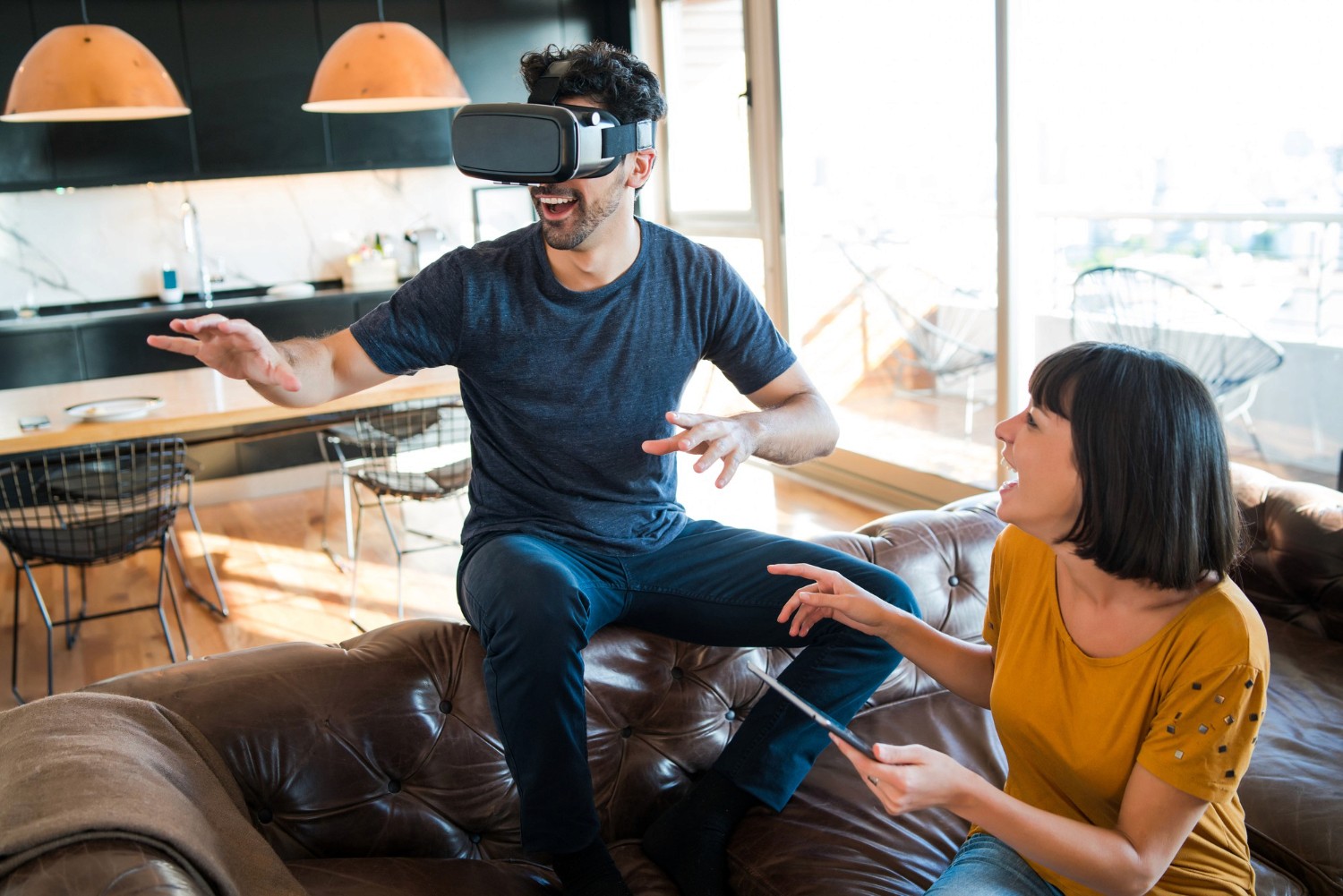
Augmented reality AR layers digital information on top of the real world. Through devices like smartphones, tablets, or lightweight glasses AR enhances your perception by adding visual elements such as graphics, text, or 3D models to your actual environment. The experience remains anchored to your surroundings and is often interactive in real time.
AR relies on a camera or sensor feed from the device and computer vision algorithms to detect surfaces, objects, and lighting. The user can see the real world directly or through a translucent display while digital content is superimposed. This creates a combined view where virtual objects appear to exist in the real space.
AR is particularly strong for tasks that require context or guidance in real time, such as maintenance repair, shopping, wayfinding, or on-site training. In the UAE AR has found a home in field service, education, retail, and marketing, where information can be overlaid onto the real world to improve decision-making and efficiency.
What VR is and how it works
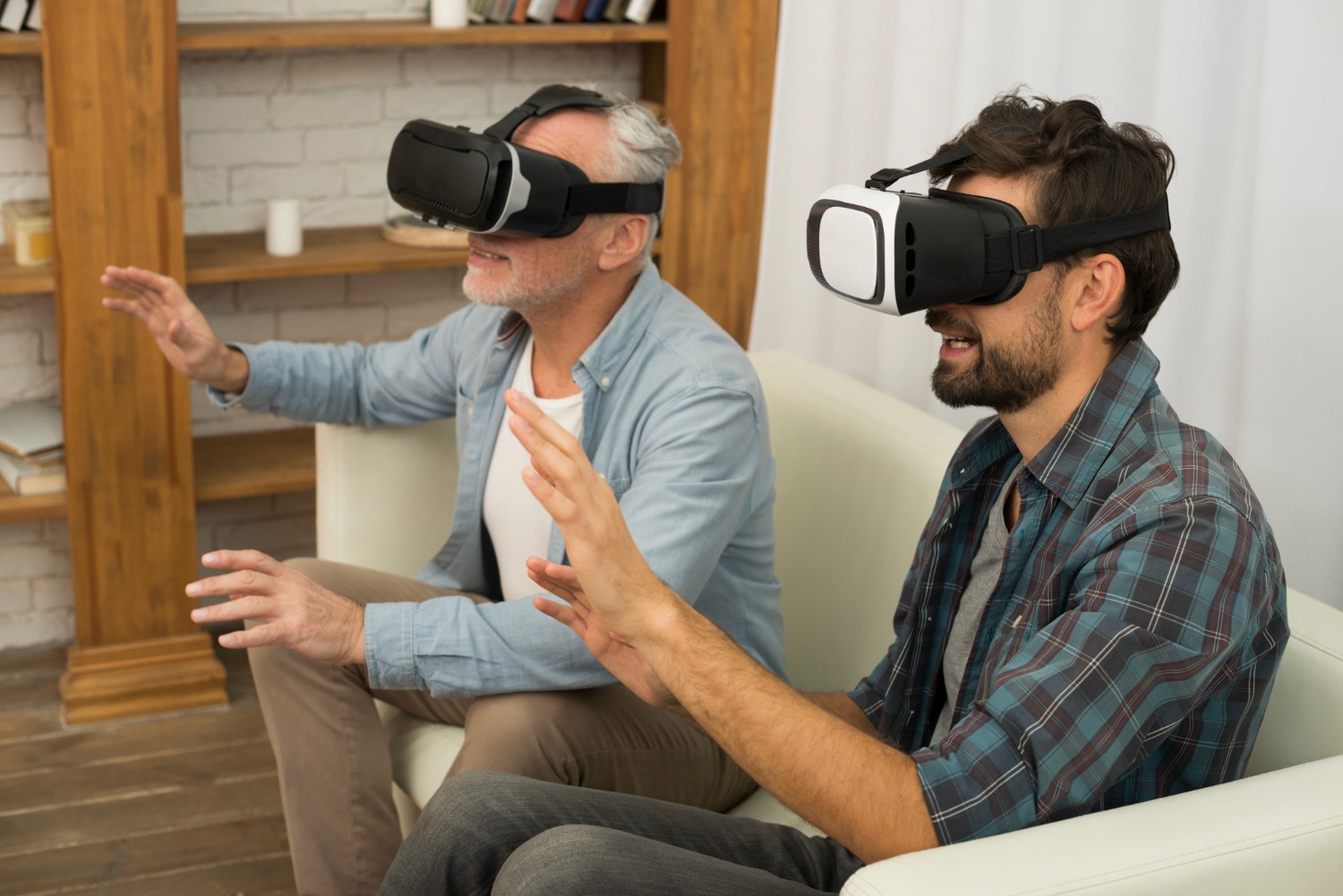
Virtual reality creates a fully immersive digital environment separate from the real world. Users wear a headset that blocks out external visuals and delivers stereoscopic imagery refresh rates and head tracking to create a convincing sense of presence. Some systems also incorporate hand controller motion tracking and haptic feedback to deepen immersion.
VR relies on powerful processing to render realistic environments and respond to a user's movements in real time. The experience is often used for simulations, training in complex procedures, gaming, and virtual tours. In the UAE, VR is popular in industries such as aviation, automotive, medicine, architecture, and education because it lets people practice dangerous or costly activities in a safe, controlled space.
Key differences between AR and VR
The most obvious difference is the level of immersion. AR adds digital elements to the real world, while VR creates an entirely new digital space. This distinction drives the design considerations for hardware user interaction and use cases.
Display and immersion The AR experience preserves the user's real environment and augments it with digital content. VR replaces the user's surroundings with an immersive virtual space entirely separate from reality.
Tracking and interaction AR relies on camera sensors and computer vision to understand the real world and align virtual content with real objects. Interactions may use touch, voice, or motion gestures that appear overlaid on the real scene. VR depends on head tracking and often motion controllers to map user movement to actions inside the virtual scene.
Hardware and accessibility AR generally requires less specialized hardware; a modern smartphone or affordable glasses are enough for many applications. VR typically demands a headset plus a computer console or standalone device with more robust processing and a more significant setup.
Content and use cases AR shines in tasks that require real-world context, such as assembly instructions, remote assistance, interior decoration, marketing product visualization, and hands-on training with live environments. VR excels in complete immersion for simulation training scenarios, entertainment, and exploratory experiences where the user should not be distracted by the real world.
User experience and limitations: AR invites collaboration with the real world and can be used in shared environments. It faces challenges such as lighting variability, occlusions, and the need to superimpose content in a way that remains legible and nonobstructive. VR offers deep immersion but can cause motion sickness if the experience is not well calibrated and often requires a more controlled environment to avoid hazards.
Content creation and workflow AR content tends to be simpler to prototype and update because it augments existing scenes. VR content requires full 3D worlds, which can be more time-consuming and costly to create but offers more freedom for detailed interactive experiences.
Choosing between AR and VR
When deciding which technology to use, start with the problem you are trying to solve. If the goal is to assist a user in a real environment, provide real-time data, or guide actions in situ, AR is usually the better choice. If the aim is to train someone in a safe, controlled setting, run complex simulations, or deliver a fully immersive experience, VR is the stronger option.
Consider audience access in the UAE and device availability. AR can reach a wider audience via smartphones, making it a practical option for consumer-facing projects. VR generally requires a dedicated device, which is ideal for organizations that want to control the user experience and ensure consistency across sessions.
Implementation considerations
Plan your hardware strategy early. For AR, think about devices that fit your budget and align with your target audience. For VR, evaluate whether a standalone headset or a PC-connected system best fits your performance needs and budget.
User safety and comfort are crucial in immersive experiences. Test for motion sickness, finger fatigue, and eye strain, and provide clear breaks and adjustable settings.
Content strategy matters. Designing with accessibility in mind ensures text is legible, overlay elements do not overwhelm the user, and compatibility across devices and platforms used in the UAE. Integrate analytics to measure engagement retention and learning outcomes or sales impact, depending on your goals.
Potential challenges include privacy concerns in AR as the technology collects data from the user environment and what is captured by the devices. In VR, ensure that users understand the physical space they are in to prevent injuries during movement or the use of accessories.
Measuring success
Define clear metrics before launching, including engagement time, task completion rates, learning outcomes, conversion rates, or brand impact. Use qualitative feedback and quantitative data to iterate on the experience and improve usability and effectiveness over time.
Conclusion
AR and VR each offer unique opportunities to transform how people learn, work, and interact with digital content. By understanding the differences between AR and VR technologies and aligning your choice with your audience goals and budget, you can select the most effective immersive approach for your project in the UAE.
If you want help choosing between AR and VR for your next project or need guidance on planning a proof of concept, we can help you design a practical path forward tailored to your goals and resources. Reach out to start a conversation, and let us assist you in mapping out a strategy that delivers measurable results.
Similar Blogs you might like




Stay Updated
Unlock peak performance with Maple Learning Solutions. Insider tips, updates & announcements. Dominate the field, stay informed.