Chronic Disease Management and Patient Education
Developing a comprehensive understanding of corruption involves recognizing its various forms, drivers, and impacts on society, governance, and economic development.

Solution
Solution Patient Education
Industry
Healthcare
Traning Type
Disease Management
Audience
Patients & Caregivers
Challenge
Healthcare providers often face limited time, resources, and specialized training to deliver effective patient education for chronic diseases. As a result, patients may struggle with treatment adherence, self-management, and lifestyle changes, leading to poorer health outcomes and increased healthcare costs.
Result
Improved patient understanding of chronic disease management and self-care practices.
Increased treatment adherence and engagement in personalized care plans.
Enhanced confidence in managing medications, nutrition, and daily health monitoring.
Supported better long-term health outcomes and reduced risk of complications.
Contributed to lower healthcare costs and an improved quality of life for patients.
Solution
Solution Patient Education
Industry
Healthcare
Traning Type
Disease Management
Audience
Patients & Caregivers
Challenge
Healthcare providers often face limited time, resources, and specialized training to deliver effective patient education for chronic diseases. As a result, patients may struggle with treatment adherence, self-management, and lifestyle changes, leading to poorer health outcomes and increased healthcare costs.
Result
Improved patient understanding of chronic disease management and self-care practices.
Increased treatment adherence and engagement in personalized care plans.
Enhanced confidence in managing medications, nutrition, and daily health monitoring.
Supported better long-term health outcomes and reduced risk of complications.
Contributed to lower healthcare costs and an improved quality of life for patients.
90%
Patient Awareness
Treatment Adherence
Self-Care Confidence
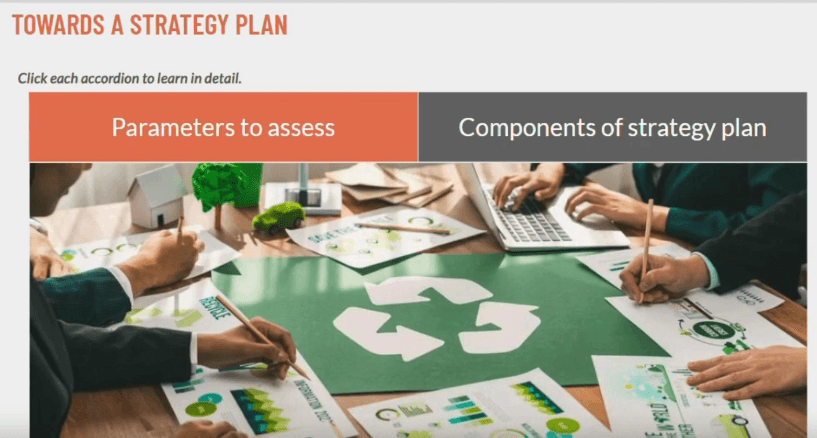

Process
Assess Learning Needs: Identified patient education requirements based on specific chronic conditions and individual care goals.
Develop Personalized Learning: Created customized learning paths tailored to conditions such as diabetes, hypertension, and heart disease.
Create Interactive Content: Designed engaging modules using videos, animations, interactive case studies, and real-life examples to simplify complex medical concepts.
Deliver Microlearning: Developed short, focused lessons that fit into patients' daily routines and encourage continuous learning.
Support Behavior Change: Integrated medication management, meal planning, self-monitoring tools, goal tracking, and motivational feedback to reinforce healthy habits.
Process
Assess Learning Needs: Identified patient education requirements based on specific chronic conditions and individual care goals.
Develop Personalized Learning: Created customized learning paths tailored to conditions such as diabetes, hypertension, and heart disease.
Create Interactive Content: Designed engaging modules using videos, animations, interactive case studies, and real-life examples to simplify complex medical concepts.
Deliver Microlearning: Developed short, focused lessons that fit into patients' daily routines and encourage continuous learning.
Support Behavior Change: Integrated medication management, meal planning, self-monitoring tools, goal tracking, and motivational feedback to reinforce healthy habits.

Conclusion
The Chronic Disease Management and Patient Education eLearning program empowers patients with the knowledge, skills, and confidence to actively manage their health. Through personalized, interactive learning and practical self-management tools, it improves treatment adherence, supports healthier lifestyle choices, enhances long-term health outcomes, and contributes to better quality of life while reducing the overall burden on healthcare systems.
Conclusion
The Chronic Disease Management and Patient Education eLearning program empowers patients with the knowledge, skills, and confidence to actively manage their health. Through personalized, interactive learning and practical self-management tools, it improves treatment adherence, supports healthier lifestyle choices, enhances long-term health outcomes, and contributes to better quality of life while reducing the overall burden on healthcare systems.
Trusted by 1500+ leading companies




Our Project Showcase
Explore our diverse range of projects showcasing innovation, creativity, and excellence across various industries and disciplines.
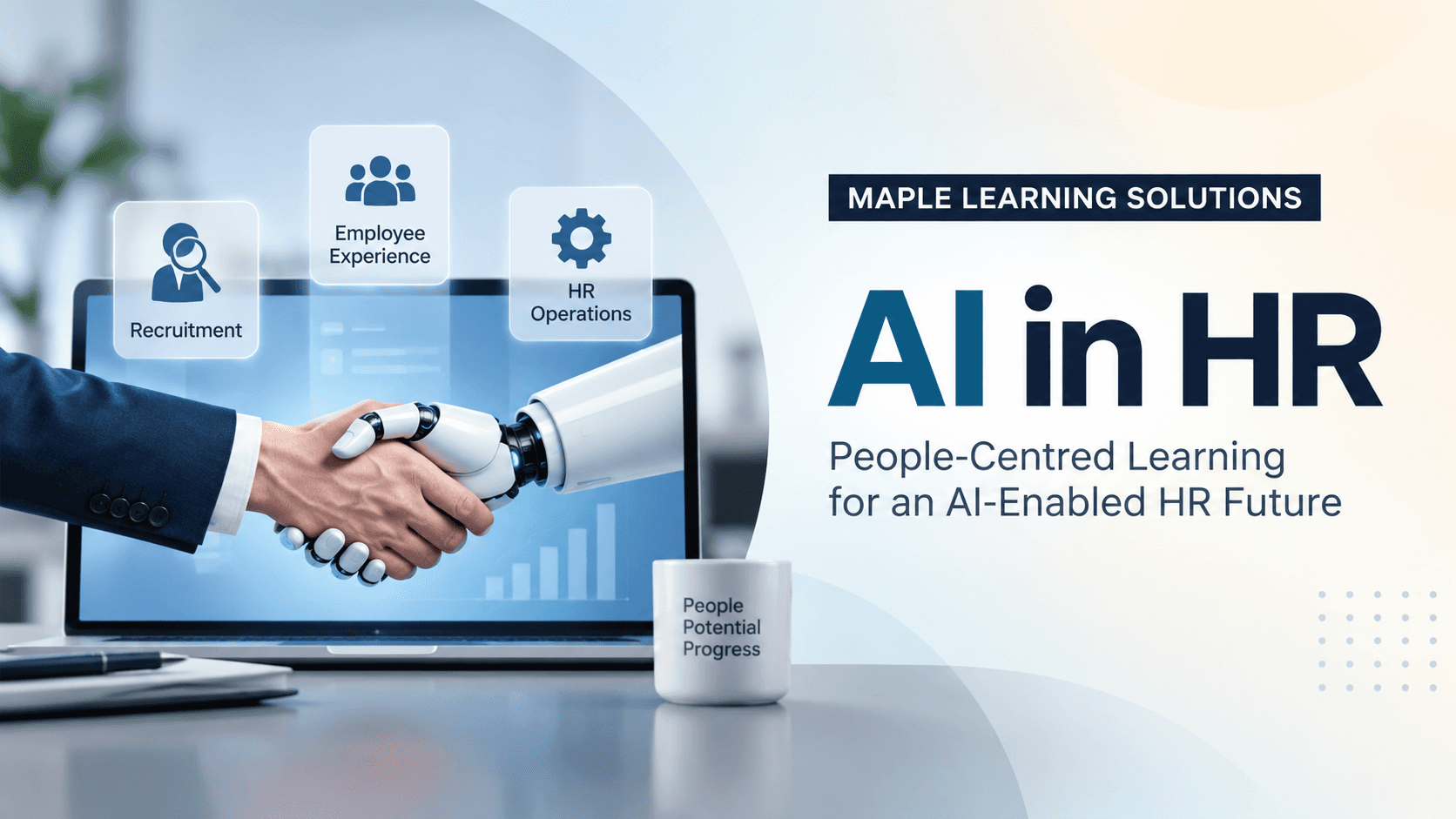
Artificial Intelligence in HR

Education

Leadership & Executive Coaching
Education
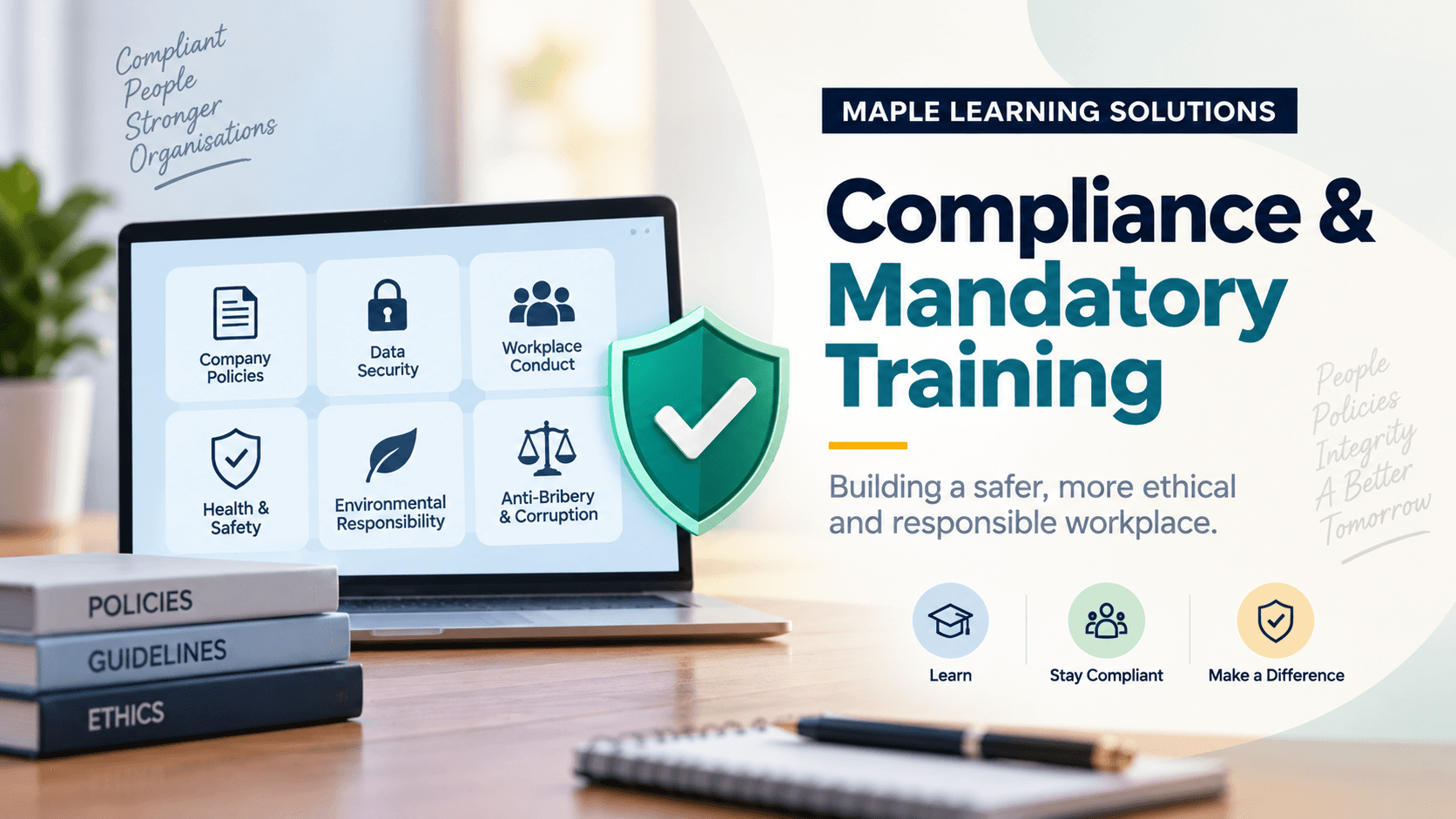
Compliance & Mandatory Training
Induction Program

Artificial Intelligence in HR
Education
Leadership & Executive Coaching
Education
Compliance & Mandatory Training
Induction Program
Ready to Transform Your Learning?
Ready to Transform Your Learning?
Drive business growth with AI-powered learning solutions that deliver measurable results.
Drive business growth with AI-powered learning solutions that deliver measurable results.