GISEC Global 2026 | Enterprise Risk & Workforce Readiness

GISEC Global 2026 – Enterprise Risk Management, Cybersecurity & Workforce Readiness
Date: 16–18 September 2026
Location: Dubai Exhibition Centre, Dubai, UAE
Event: GISEC Global 2026
Focus Areas: Cybersecurity, Critical Infrastructure Security, Enterprise Risk Management, Cyber Resilience, Workforce Readiness
Maple Learning Solutions at GISEC Global 2026
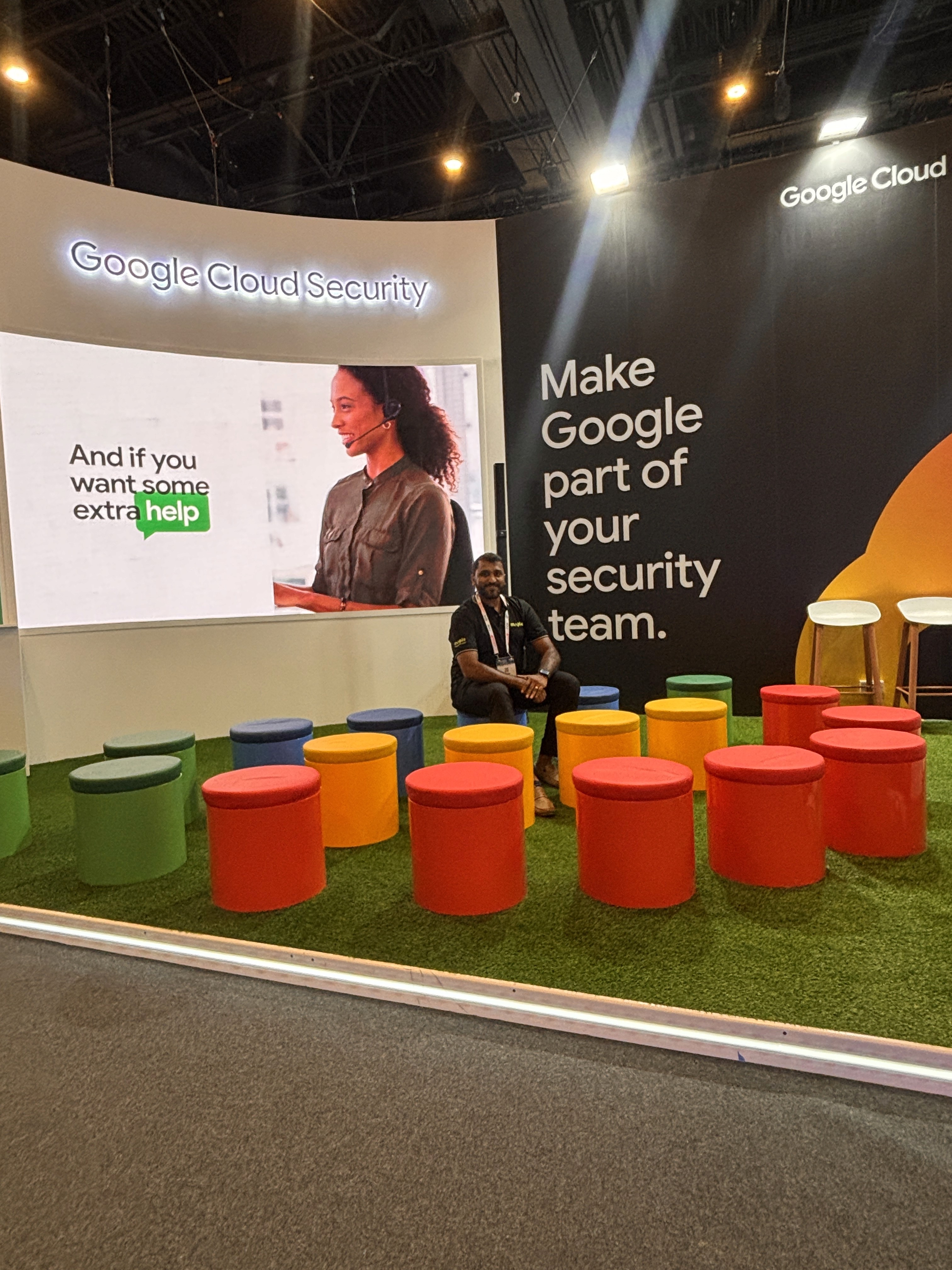
Maple Learning Solutions participated in GISEC Global 2026, held from 16 to 18 September 2026 in Dubai, UAE. The event brought together cybersecurity professionals, technology leaders, risk specialists and organisations focused on strengthening digital security and resilience.
For Maple, the event provided an opportunity to explore the connection between cybersecurity, enterprise risk management (ERM), operational resilience and workforce preparedness.
As organisations increasingly depend on interconnected digital systems, managing risk requires more than technology solutions. Employees across technology, operations and business functions also need to understand their responsibilities and know how to respond during disruption.
Connecting Risk Management with Workforce Readiness
A risk framework becomes more effective when employees understand how it applies to their roles. This includes connecting cyber risks to business operations, establishing clear risk ownership and preparing employees for critical situations.
Cybersecurity incidents can affect business operations, customer services, supply chains and organisational continuity. Clear responsibilities can help employees understand who identifies risks, who makes decisions, when issues should be escalated and who communicates with stakeholders.
Practical role-specific training, scenario-based learning, simulations and exercises can help employees prepare for the decisions they may need to make during an actual disruption.
From Risk Frameworks to Practical Action
For Maple Learning Solutions, connecting risk management with learning is an important area of focus.
Organisations can transform policies, SOPs, risk frameworks and business continuity requirements into structured learning experiences, including:
Risk and compliance training
Cybersecurity awareness learning
Incident response training
Business continuity and crisis management training
Scenario-based simulations
AI-powered custom eLearning
LMS deployment and tracking
Workforce competency development
The objective is to move beyond simply communicating policies and help employees understand what to do, when to act and who to involve.
Strengthening GCC Workforce Readiness
GISEC Global 2026 also aligned with Maple's focus on supporting organisations across the UAE and GCC. As businesses strengthen cybersecurity, enterprise risk management and operational resilience, workforce capability becomes an important part of successful implementation.
Maple combines AI-powered learning, Custom eLearning, LMS solutions, instructional design and workforce training to transform complex requirements into practical and scalable learning experiences.
Key Insights from GISEC Global 2026
Risk management should connect with operational priorities.
Cyber risks should be understood in terms of business impact.
Risk ownership and escalation responsibilities should be clear.
Employees should understand their specific roles.
Training should prepare employees for real decisions.
Scenario-based exercises can help strengthen workforce readiness.
Digital learning and LMS platforms can support scalable risk and compliance training.
Maple Learning Solutions' Perspective
At Maple Learning Solutions, we believe a risk framework becomes useful when people know how to act on it.
Our participation at GISEC Global 2026 highlighted the connection between enterprise risk management, cybersecurity, operational resilience and workforce learning.
By combining AI-powered learning, custom eLearning, LMS technology and role-specific training, organisations can build learning programs aligned with their operational requirements and risk responsibilities.
Strengthening resilience. Preparing people. Turning risk frameworks into practical action.